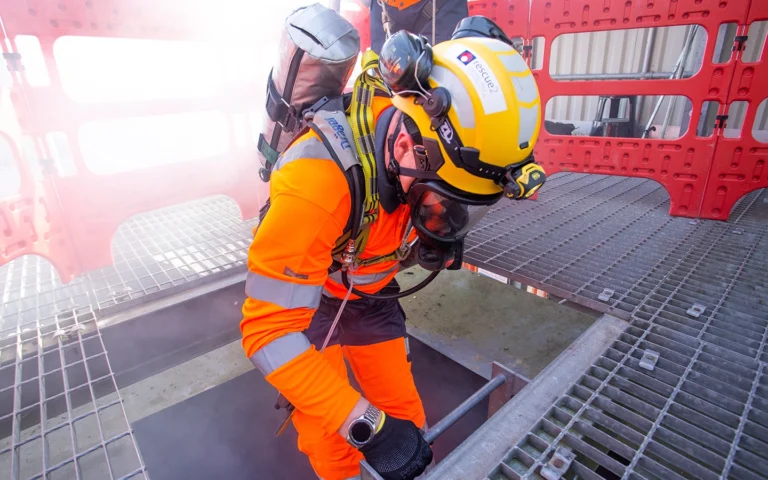
What is a confined space? When carrying out a confined space risk assessment, the first step is identifying whether the area meets the legal definition of a confined space. While some environments are immediately recognisable, others are less obvious and may only become a confined space under certain conditions.
Understanding the definition is essential for ensuring the correct control measures, rescue arrangements and safe systems of work are put in place before work begins.
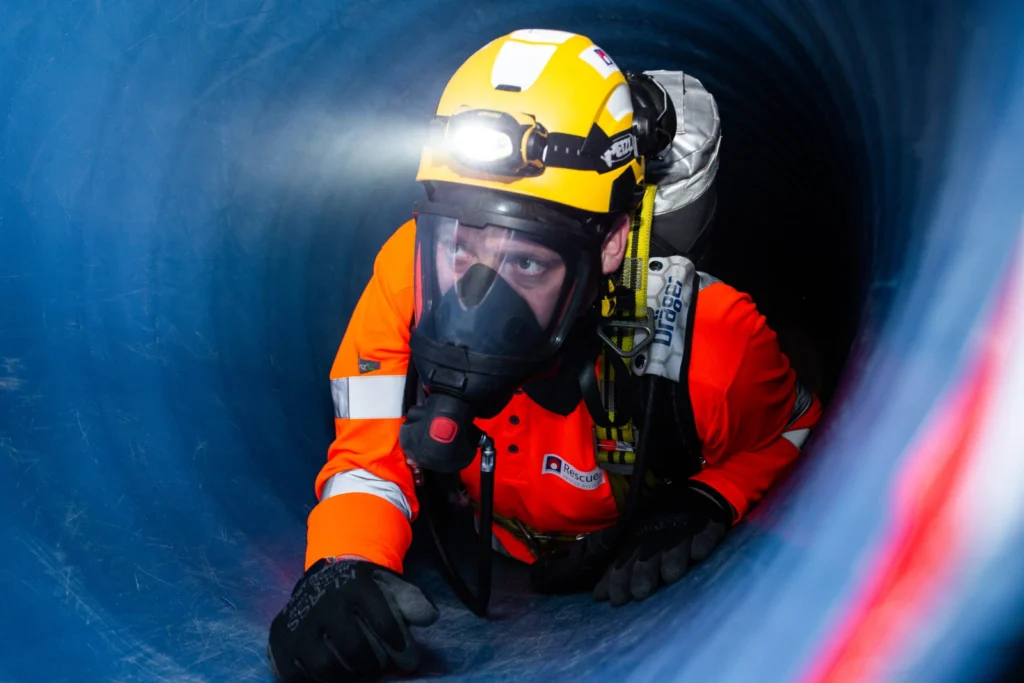
How Is a Confined Space Defined?
Under the Confined Spaces Regulations, a confined space has two defining characteristics.
The space must be substantially enclosed, either fully or partially, and there must be one or more specified risks present or reasonably foreseeable.
Both elements are required. An enclosed area without a specified risk is not classed as a confined space under the Regulations. Equally, an open area where the specified risks exist would not normally fall within the definition.
The specified risks include:
- Serious injury resulting from fire or explosion.
- Loss of consciousness caused by an increase in body temperature.
- Loss of consciousness or asphyxiation caused by gas, fumes, vapours or a lack of oxygen.
- Drowning caused by an increase in the level of a liquid.
- Asphyxiation caused by free-flowing solids or being unable to reach a breathable atmosphere after becoming trapped.
Identifying these risks is an important part of determining whether the Regulations apply.
A Confined Space Is Not Always Easy to Identify
Some confined spaces are obvious. Sewers, storage tanks and underground chambers are commonly recognised examples. Others are less straightforward.
A confined space does not have to be completely enclosed. Vats, silos and ships’ holds may have open tops or partially open sides while still meeting the definition.
It also does not have to be small. Large grain silos, process vessels and industrial tanks can all be considered confined spaces where the specified risks exist.
Likewise, ease of access is not a deciding factor. Some confined spaces have multiple entry and exit points or large openings that appear easy to enter and leave.
Regular use also does not change the classification. Areas such as spray booths may be entered routinely as part of normal operations but can still fall within the Confined Spaces Regulations when the relevant risks are present.
When Does a Space Become a Confined Space?
The classification of a confined space is not always permanent. In some situations, the work being carried out introduces the specified risks.
For example, welding within an enclosed area can reduce oxygen levels. Cleaning with chemicals may introduce hazardous vapours, while spray painting can affect air quality and visibility.
In these situations, the space may only be classed as a confined space while the work is taking place and any residual risks remain. Once contaminants have been removed through effective ventilation and the atmosphere has been tested and confirmed as safe, the space may no longer fall within the Regulations.
This highlights the importance of assessing both the environment and the activities being undertaken before work begins.
Spaces That Can Become Confined
Some environments are designed or used in ways that create confined space risks under specific circumstances.
Examples include:
- Enclosed stores containing gas cylinders, where an accidental release could significantly affect the atmosphere.
- Rooms housing fire suppression systems that discharge inert gases.
- Storage facilities for wood pellets, where gases produced during storage may create hazardous atmospheres.
- Hypoxic environments, where oxygen levels are deliberately reduced to protect archived materials or preserve fresh produce.
Each requires a suitable assessment to determine whether the Confined Spaces Regulations apply during normal operation or under foreseeable emergency conditions.
Assessing a Confined Space
A structured assessment helps determine whether an area should be treated as a confined space.
Begin by considering whether the space is substantially enclosed. If it is, the next step is to identify whether any of the specified risks are present or could reasonably develop.
Where those risks do not already exist, consideration should be given to the work itself. Activities carried out within the space may create hazardous atmospheres, fire risks, or other specified hazards that bring the work within the scope of the Regulations.
Control measures should be continuously monitored throughout the task to ensure they remain effective until the work is completed and any remaining hazards have been removed.
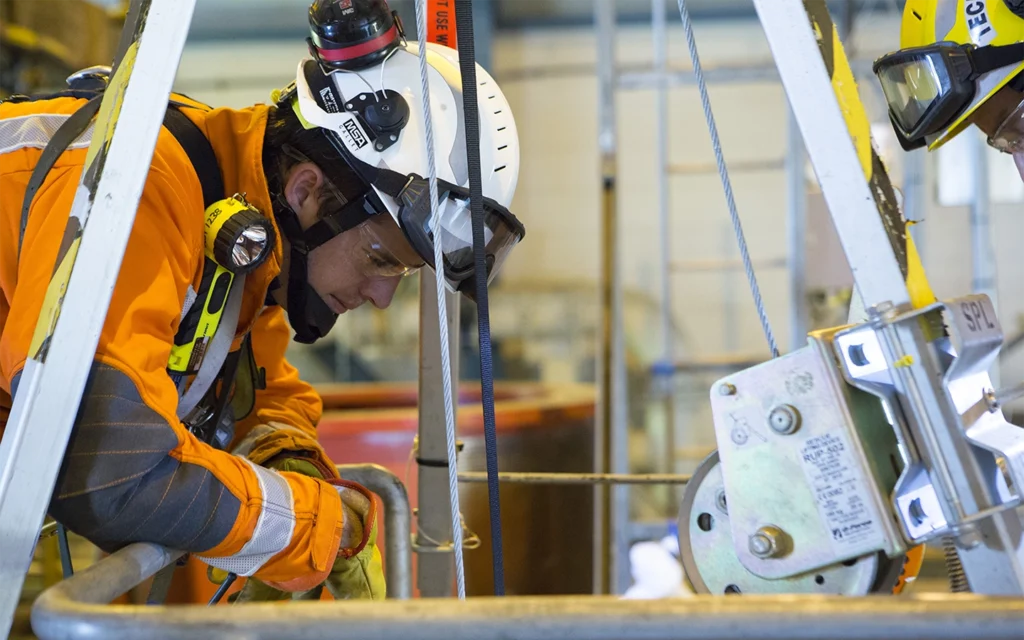
Understanding the Definition Supports Safer Working
Correctly identifying a confined space is the foundation of safe planning.
Applying the Regulations appropriately allows employers to establish suitable risk assessments, safe systems of work and emergency rescue arrangements before work starts. It also helps prevent environments that appear low risk from being overlooked when conditions change during a task.
Where there is any uncertainty, the safest approach is to assess both the space and the work being carried out before deciding whether the Confined Spaces Regulations apply.
How Rescue2 Can Help
Correctly identifying a confined space is the starting point for safe planning. Understanding whether the Confined Spaces Regulations apply allows suitable controls to be put in place before work begins.
Rescue2 supports organisations from the earliest stages of confined space work, providing consultation and confined space classification to help determine the risks associated with a task. Once a space has been assessed, we can also deliver the appropriate training, safety management and rescue provision needed to support work throughout the project.
Whether you’re assessing a single confined space or planning work across multiple sites, our experienced team provides practical support from initial consultation through to on-site rescue cover.
If you want to read more about working in confined spaces, you can view the whole document guidance as a PDF here.
Rescue2 Ltd, The Old Stables, Decoy Lane, Arundel Road, Poling, West Sussex BN18 9QA
Frequently Asked Questions
What is a confined space?
A confined space is an area that is substantially enclosed where one or more specified risks are present or could reasonably arise. Both the enclosure and the presence of a specified risk must apply for the space to fall under the Confined Spaces Regulations.
Does a confined space have to be completely enclosed?
No. A confined space does not have to be fully enclosed. Spaces such as silos, vats and ships’ holds may have open tops or partially open sides but can still be classed as confined spaces if the specified risks are present.
Can a space become a confined space temporarily?
Yes. Some spaces only become confined spaces while certain work is being carried out. Activities such as welding, spray painting or cleaning with chemicals can introduce hazardous atmospheres or other specified risks, meaning the Regulations apply until those risks have been removed.
What are the specified risks in a confined space?
The specified risks include fire or explosion, loss of consciousness caused by hazardous gases, fumes or a lack of oxygen, heat-related illness, drowning due to rising liquid levels and asphyxiation caused by free-flowing solids.
How do I know if the Confined Spaces Regulations apply?
Start by determining whether the space is substantially enclosed. If it is, assess whether one or more specified risks are present or could reasonably develop, including any risks introduced by the work itself. If these conditions are met, the Confined Spaces Regulations are likely to apply.
Does a regularly used work area count as a confined space?
It can. A space does not have to be entered infrequently to be considered a confined space. Areas used regularly for work, such as spray booths or certain process areas, may still fall within the Regulations if they are substantially enclosed and the specified risks are present.