A confined space risk assessment is one of the most important steps in ensuring work can be carried out safely. Before anyone enters a confined space, dutyholders must identify the hazards that may be present, assess the level of risk, and determine the measures needed to protect everyone affected by the work.
The Management of Health and Safety at Work Regulations 1999 require employers to carry out a suitable and sufficient assessment of workplace risks. Where confined spaces are involved, this assessment also helps determine whether the Confined Spaces Regulations 1997 apply and what precautions are required before work begins.
Why a Confined Space Risk Assessment Is Required
Risk assessment is a legal requirement across all industries and work activities. Its purpose is to identify significant risks and establish appropriate measures to eliminate or control them.
For confined space work, the assessment should establish:
- Whether the space meets the definition of a confined space
- Whether the work can be completed without entering the confined space
- What risks exist if entry cannot be avoided
- What control measures are required to ensure a safe system of work
Where employers have five or more employees, the significant findings of the assessment must be recorded.
Avoiding Entry Wherever Reasonably Practicable
The Confined Spaces Regulations place clear emphasis on avoiding entry wherever reasonably practicable.
A confined space risk assessment should therefore first consider whether the work can be completed by another method, removing the need for anyone to enter the confined space.
If entry cannot reasonably be avoided, the assessment must identify the precautions required to establish a safe system of work. These findings then form the basis of planning the operation safely.
Who Should Carry Out the Risk Assessment?
The assessment must be completed by a competent person.
This means someone with the appropriate skills, knowledge and experience of the confined space, together with an understanding of the processes, equipment and hazards involved. They should be able to identify the risks associated with the work and determine the precautions needed to comply with the Regulations.
For more complex operations, more than one competent person may be required to assess different aspects of the work.
Using Existing Information
A confined space risk assessment should make use of all available information before work begins.
Useful sources of information may include:
- Engineering drawings
- Site plans
- Previous inspection or maintenance records
- Information about the surrounding ground or geological conditions
- Details of previous or planned work within the space
Reviewing this information alongside the proposed work helps build a complete picture of the hazards that may be present.
Assessing the Condition of the Confined Space
The assessment should consider the overall condition of the confined space before entry.
This includes checking for signs of damage, corrosion or deterioration, while also considering whether normal oxygen levels are likely to be present.
Any existing records relating to the confined space should also be reviewed, as they may identify hazards encountered during previous work.
Previous Contents, Residues and Contamination
Understanding how the confined space has been used previously is an important part of the assessment.
Substances that were previously stored or processed within the space may leave behind flammable, toxic or hazardous residues. Even where a space has been cleaned, deposits such as sludge, scale or rust can release dangerous gases or vapours if disturbed.
The assessment should also consider contamination from outside the confined space. Liquids or gases may enter from neighbouring plants, connected services, surrounding land or groundwater, particularly where confined spaces are located below ground.
Oxygen Levels and Atmospheric Conditions
Atmospheric conditions are one of the most significant considerations during a confined space risk assessment.
Normal oxygen concentration is approximately 20.9%. Any significant variation from this level should be investigated and the associated risks assessed.
Reduced oxygen levels can rapidly impair judgement and breathing before causing unconsciousness, while oxygen enrichment increases the likelihood of fire by making combustible materials easier to ignite.
Some environments are deliberately maintained with reduced oxygen concentrations, such as archives, libraries or server rooms. These locations require suitable access controls and alarm systems to help protect anyone entering the space.
Considering the Work Being Carried Out
The work itself may introduce additional hazards that would not otherwise be present.
Examples include:
- Cleaning chemicals affecting the atmosphere
- Welding or hot work creating ignition sources
- Equipment increasing temperatures within the space
- External work generating hazards inside the confined space
These changing conditions should form part of the overall assessment and be reflected within the safe system of work.
Hazards from Outside the Confined Space
A confined space may also be affected by activities taking place outside it.
The assessment should identify whether substances such as gases, liquids, steam or water could enter the space from nearby processes or services. Where necessary, equipment should be safely isolated to prevent accidental operation or the unintended release of hazardous substances.
Consideration should also be given to exhaust gases from combustion engines or other equipment operating close to the confined space.
Emergency Rescue Arrangements
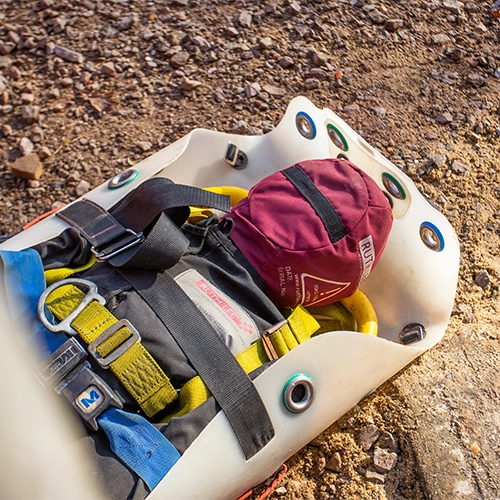
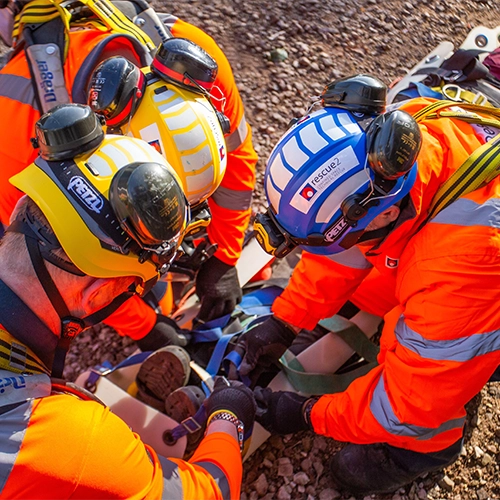
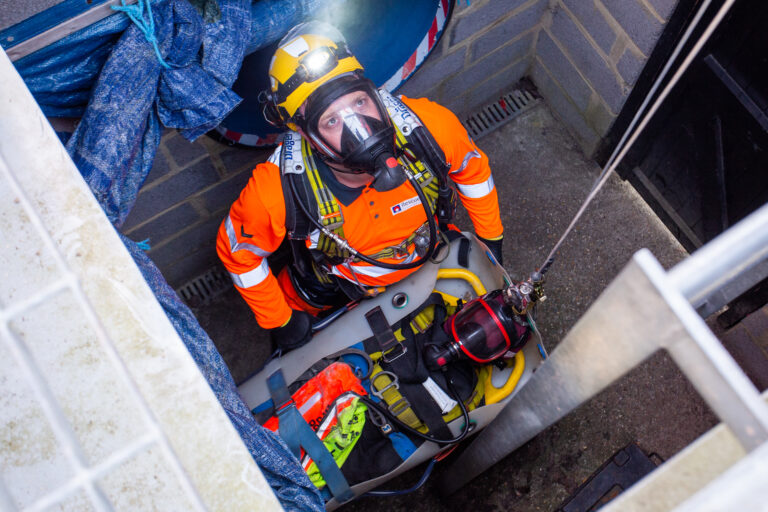
A confined space risk assessment should also identify the emergency rescue arrangements required before work begins.
Potential emergency situations should be anticipated, allowing appropriate rescue procedures, equipment and personnel to be planned in advance. The assessment helps determine the type of rescue capability required based on the specific hazards present within the confined space.
Why a Thorough Confined Space Risk Assessment Matters
A confined space risk assessment is far more than a paperwork exercise. It provides the foundation for identifying hazards, deciding whether entry can be avoided, establishing safe systems of work and preparing effective emergency arrangements.
By understanding both the condition of the confined space and the work being carried out, dutyholders can make informed decisions that help reduce risk and ensure compliance with the Confined Spaces Regulations.
How Rescue2 Can Help Your Confined Space Risk Assessment
A thorough confined space risk assessment forms the basis of safe working. Identifying hazards, understanding the environment and planning appropriate control measures helps ensure work can be carried out safely and in line with the Confined Spaces Regulations.
Rescue2 supports organisations with practical consultation and detailed confined space risk assessments, helping to identify hazards and establish suitable safe systems of work. We also provide specialist end to end training, on site safety support and rescue provision, ensuring every stage of the operation is backed by experienced confined space professionals.
We are the largest confined space company in the UK, and our knowledge, provision and capability are unmatched. Whether you’re planning routine maintenance or a complex shutdown, we can help you manage confined space risks with confidence.
If you want to read more about working in confined spaces, you can view the whole document guidance as a PDF here.
Rescue2 Ltd, The Old Stables, Decoy Lane, Arundel Road, Poling, West Sussex BN18 9QA
FAQs – Confined Space Risk Assessment
1. What is a confined space risk assessment?
A confined space risk assessment is a process used to identify the hazards associated with a confined space, determine the level of risk, and establish the measures needed to protect those entering or working nearby. It also helps determine whether the Confined Spaces Regulations 1997 apply.
2. Who should carry out a confined space risk assessment?
A confined space risk assessment should be completed by a competent person with the necessary skills, knowledge and experience to understand the confined space, the work being carried out, and the risks involved.
3. What should a confined space risk assessment consider?
The assessment should consider the condition of the confined space, previous contents, residues, contamination, oxygen levels, atmospheric conditions, the work being carried out, hazards from outside the space, and the emergency rescue arrangements required.
4. Can a generic confined space risk assessment be used?
Yes. Where several confined spaces are broadly the same and present the same hazards, a generic risk assessment may be appropriate. However, any differences that could affect the level of risk or the required control measures must be identified before work begins.
5. Why should confined space entry be avoided where possible?
The Confined Spaces Regulations 1997 require dutyholders to first consider whether work can be completed without entering the confined space. If entry cannot reasonably be avoided, a safe system of work must be developed based on the findings of the risk assessment.
6. Why are emergency rescue arrangements included in a confined space risk assessment?
A confined space risk assessment should identify potential emergency situations before work begins. This helps ensure appropriate rescue procedures, equipment and personnel are available should an emergency occur.