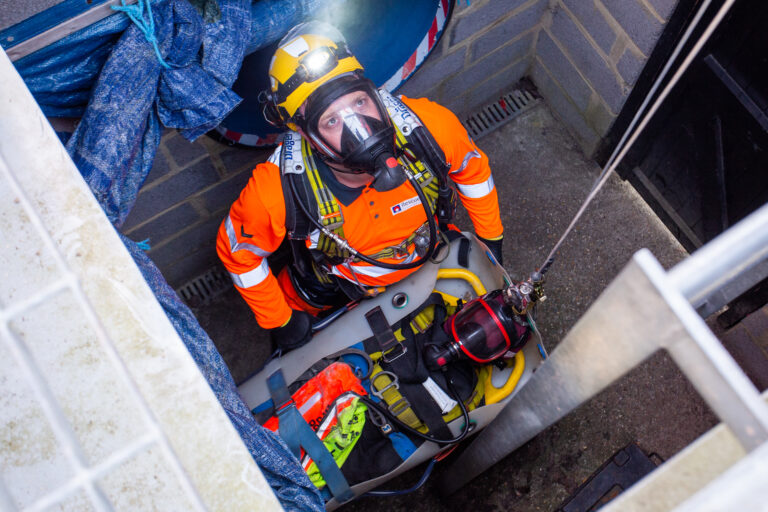
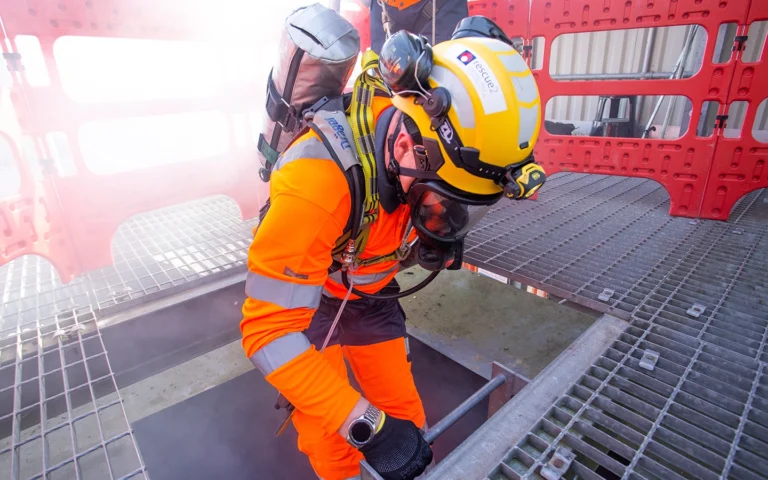
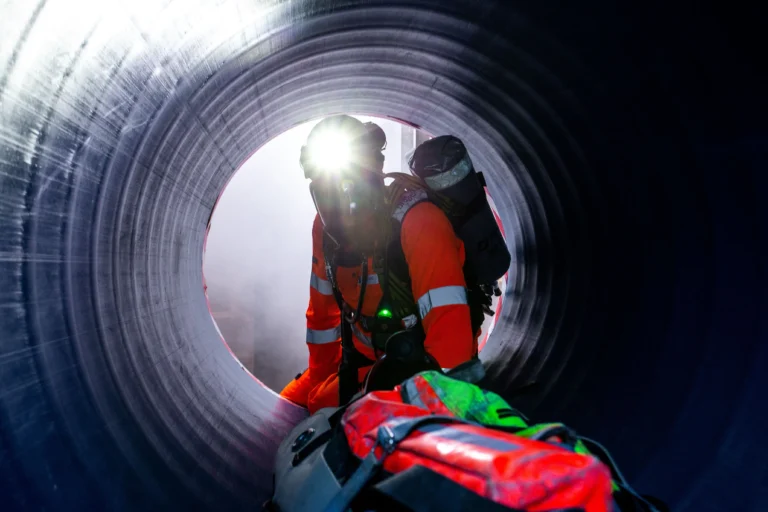
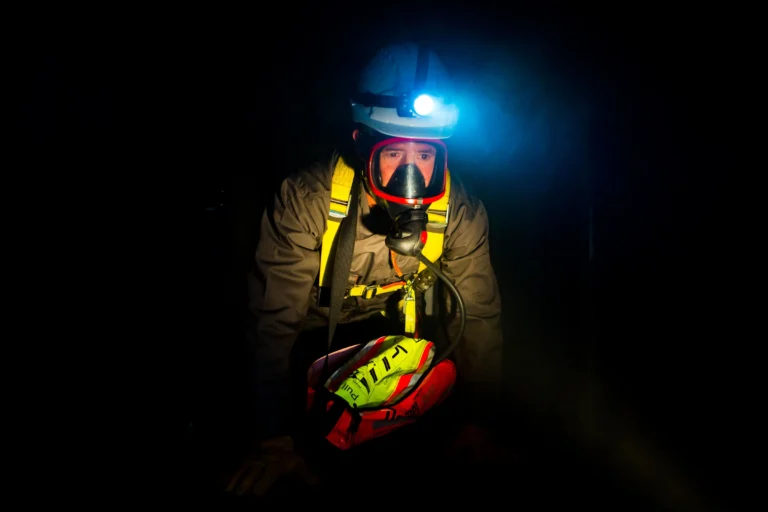
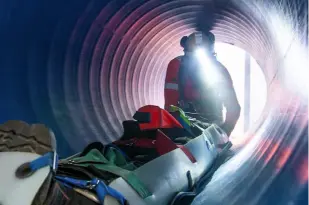
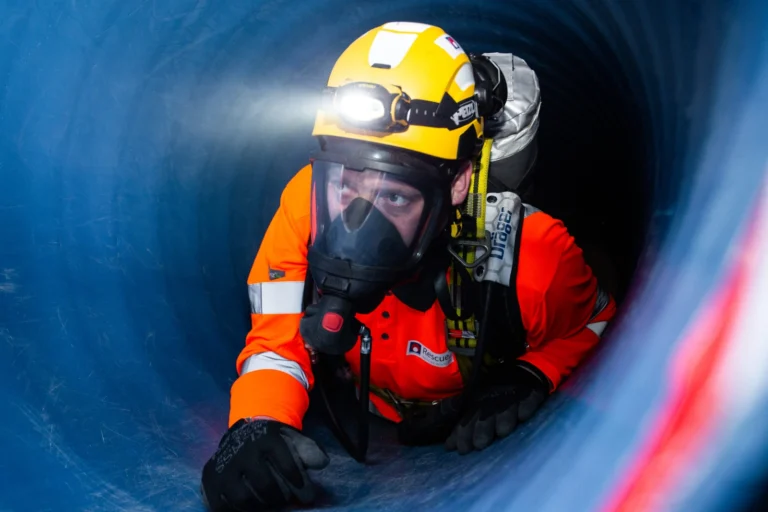
Confined space regulations are not limited to a single type of environment. While some are well known, others are less obvious and may only fall under the Confined Space Regulations when specific conditions or risks are present.
Understanding where confined space conditions can occur helps ensure the correct risk assessment is carried out before work begins.
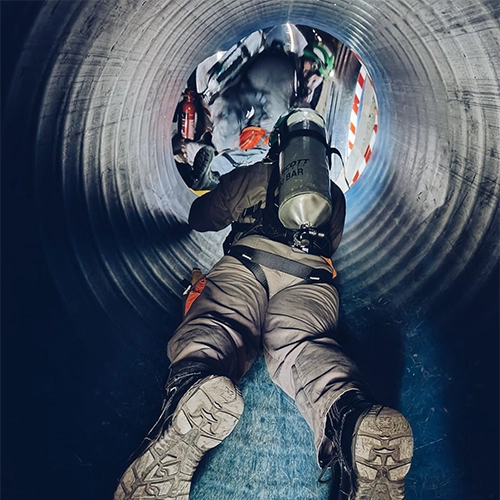
Common Examples of Confined Spaces
Confined spaces can be found across a wide range of industries, including construction, utilities, manufacturing, marine operations and maintenance work.
- Ducts, culverts, tunnels and boreholes
- Manholes, shafts, excavations and trenches
- Sumps, inspection pits and under machine pits
- Cofferdams and similar temporary structures
- Freight containers and ballast tanks
- Ship engine rooms and cargo holds
- Plant rooms, compartments and enclosed service areas
- Building voids and enclosed structural spaces
- Enclosures used during asbestos removal work
- Storage areas for materials that may oxidise, such as steel chains or wood pellet hoppers
- Unventilated or poorly ventilated silos and rooms
- Structures that become enclosed during fabrication or manufacturing processes
- Interiors of machinery, plant and certain vehicles
This list is not exhaustive. Other environments may also meet the definition depending on the conditions present.
When a Space Becomes a Confined Space
An enclosed area is not automatically classed as a confined space. The defining factor is the presence of one or more specified risks, or the reasonable likelihood that these risks could arise.
These risks include hazardous atmospheres, oxygen deficiency, fire or explosion, engulfment by free flowing solids or liquids, and difficulty escaping to a breathable environment.
For example, a storage tank may be considered a confined space due to the potential for hazardous gases. Similarly, a silo storing organic material may present a risk of oxygen depletion or hazardous atmospheres depending on the conditions inside.
Not All Enclosed Work Areas Fall Under Confined Space Regulations
Some enclosed or restricted areas do not fall under the Confined Spaces Regulations.
Spaces such as lofts, ceiling voids and some cellars may be difficult to access or work in, but this alone does not make them confined spaces under the Regulations.
In these environments, other risks may be more relevant, including:
- Musculoskeletal strain due to restricted working positions
- Manual handling risks
- Falls from height
- Difficulties with evacuation in the event of injury
Where these risks are present, they must still be assessed and controlled under other relevant health and safety legislation, including the Manual Handling Operations Regulations 1992 and the Workplace (Health, Safety and Welfare) Regulations 1992.
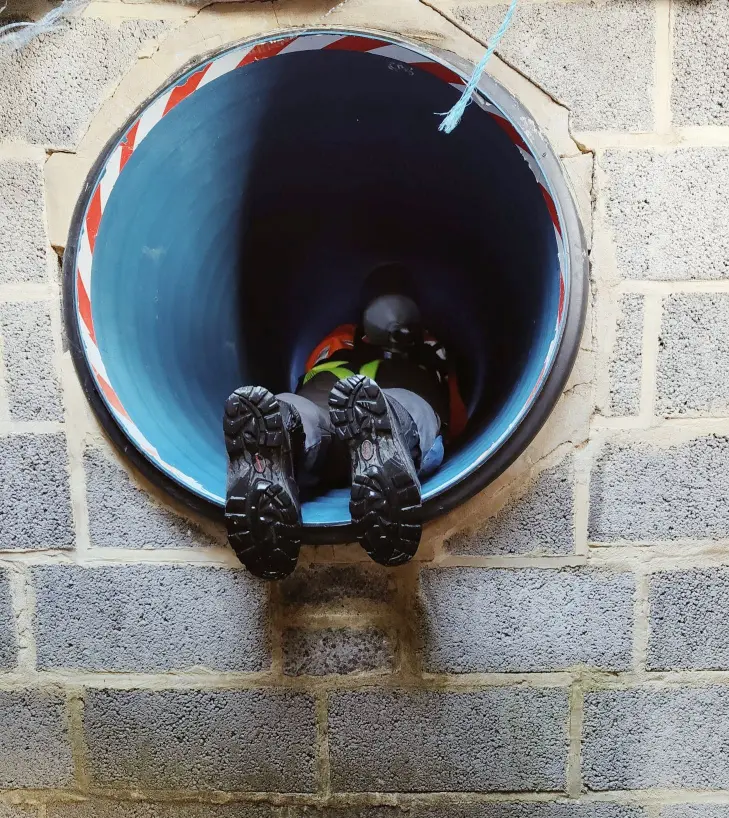
Assessing the Environment Correctly
Correct classification depends on both the nature of the space and the work being carried out within it.
An area may not initially be considered a confined space, but certain activities can introduce the specified risks. For example, welding, cleaning with chemicals or work that affects ventilation can change the atmosphere inside an otherwise safe environment.
Assessment should therefore consider both the baseline conditions and how they may change during the task.
Confined spaces are found in many forms across industry, from underground structures and tanks through to plant rooms, silos and machinery interiors. The key factor is not the type of space itself, but whether the conditions inside present one or more specified risks under the Confined Spaces Regulations.
Where those risks are present or could reasonably arise, appropriate controls, planning and emergency arrangements are required before work begins.
How Rescue2 supports the complete confined space regulations
Identifying that an area may be a confined space raises several important questions. What risks are present? How should the space be classified? Are the people involved suitably trained? What safety controls, equipment and rescue arrangements will be needed for the work to proceed?
Rescue2 helps customers answer those questions through a connected, end to end service covering consultation, classification, training, and safety and rescue provision.
Our involvement can begin well before anyone enters the space. During the consultation stage, our specialists work with the customer and relevant site teams to understand the environment, the proposed task and the practical challenges surrounding access, working conditions and emergency response. This provides a clearer basis for planning the work and helps identify issues that may otherwise only become apparent once the project is underway.
The next stage is establishing how the space and proposed activity should be classified. This is not determined by the appearance, size or location of the space alone. The foreseeable risks, the work being undertaken and the possibility that conditions could change must all be considered. Rescue2 can support this process by assessing the circumstances of the operation and helping customers determine the level of controls, competence and rescue capability required.
Once the requirements are understood, suitable training can be arranged for the people involved. Rescue2 delivers accredited confined space training for operatives, supervisors and rescue personnel, helping each person understand their role and develop the practical competence needed for the work. Training can be delivered at our specialist West Sussex facility, at suitable customer sites or through our mobile training provision.
Where operational support is required, Rescue2 can then provide professionally managed safety and rescue teams, supported by appropriate planning, documentation and specialist equipment. This can include project specific RAMS and rescue plans prepared before deployment, site coordination, safety oversight, standby rescue cover and emergency response. Rescue2’s confined space teams can also be supported by technical rescue, rope rescue and medical personnel where the risks or working environment require a broader capability.
This joined up approach gives customers continuity throughout the confined space process. The people advising on the work, helping to establish its requirements, developing competence and providing operational support all work towards the same objective: ensuring that the arrangements are appropriate for the actual environment and the task being carried out.
Rescue2 supports routine maintenance, planned shutdowns, construction programmes, industrial operations and complex projects involving multiple contractors. By engaging us early, customers can bring safety, competence and rescue readiness into the planning process from the outset, helping the work proceed with fewer uncertainties and a clear, site specific approach.
To discuss an upcoming project, contact Rescue2 or explore our consultation, classification, training, and safety and rescue services.
For further information about confined space definitions and legal requirements, the full HSE guidance is also available to view as a PDF here.
How Rescue2 Can Support Your Confined Space Operations
Correctly identifying a confined space is the essential first step in managing the risks associated with working in these environments. Where the Confined Spaces Regulations apply, thorough planning, suitable risk assessment and effective emergency arrangements must be in place before any work begins.
Rescue2 works with customers across a wide range of industries to deliver specialist confined space safety services. This includes risk assessments, rescue planning, standby rescue teams and technical guidance. Our experienced personnel integrate with site teams to help ensure confined space operations are carried out safely, compliantly and with robust emergency provision in place.
From routine maintenance and planned shutdowns through to one off projects, we provide practical, site specific support at every stage of the process. This end to end approach means our knowledge, capabilities and provision support you throughout. We are the largest confined space rescue company in the UK, with years of experience.
To find out more about your confined space requirements, contact us or explore our full range of confined space safety and rescue services.
If you want to read more about working in confined spaces, you can view the whole document guidance as a PDF here.
Rescue2 Ltd, The Old Stables, Decoy Lane, Arundel Road, Poling, West Sussex BN18 9QA
FAQs – Confined Spaces in the Workplace
1. What is classed as a confined space under the Confined Spaces Regulations?
A confined space is an enclosed or partially enclosed area where one or more specified risks are present or could reasonably arise. These include hazardous atmospheres, oxygen deficiency, fire or explosion risks, engulfment, or difficulty escaping to a safe breathing environment.
2. What are some common examples of confined spaces in the workplace?
Confined spaces can include ducts, culverts, tunnels, manholes, shafts, sumps, cofferdams, freight containers, ballast tanks, ship engine rooms, cargo holds, silos, plant rooms, and enclosed structural or machinery spaces. The list is not exhaustive, and other areas may also qualify depending on conditions.
3. Are all enclosed or hard to access spaces considered confined spaces?
No. Not all enclosed or restricted areas fall under the Confined Spaces Regulations. Spaces such as lofts, ceiling voids or some cellars may be difficult to access, but they are not automatically classified as confined spaces unless specified risks are present.
4. What risks determine whether a space is classed as confined?
A space is classed as confined when there is a risk of hazardous atmospheres, oxygen deficiency, fire or explosion, engulfment by free flowing materials, or difficulty escaping. The classification depends on whether these risks are present or could reasonably occur.
5. Can a space become a confined space depending on the work being carried out?
Yes. A space that is not initially classified as confined can become one if the work introduces risks. Activities such as welding, chemical cleaning, or changes to ventilation can alter conditions and create hazardous atmospheres or other specified risks.
6. What should be considered when assessing whether a space is a confined space?
Assessment should consider both the nature of the space itself and the work being carried out inside it. Conditions may change during a task, so both the baseline environment and potential changes caused by the work must be evaluated.